








urbanisation et sécurité : enjeux des mégapoles
the relentless march of urbanisation, particularly the agglomeration of populations into megacities, presents a complex and evolving nexus with global and national security. as a seasoned observer of strategic affairs, the analyst must move beyond purely descriptive accounts of urban growth to a rigorous examination of the causal mechanisms linking demographic concentration to security challenges and opportunities. this article examines this dynamic through the lens of strategic doctrine, historical precedent, and current geopolitical realities, with a specific focus on the implications for statecraft, policy formulation, and the provision of security in an increasingly urbanised world.
strategic context
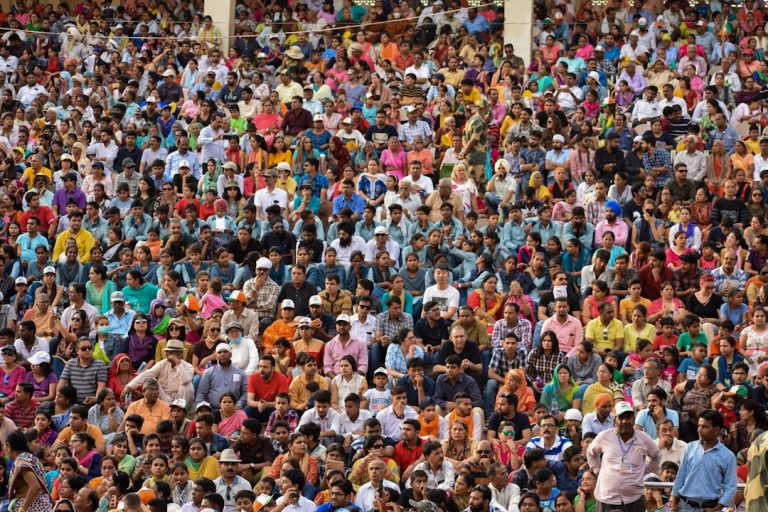
the demographic shift towards urban centres is not a novel phenomenon, but its scale and speed in the late 20th and early 21st centuries represent a qualitative departure. as of 1975, only eight cities harboured populations exceeding 10 million. by 2025, this figure is projected to reach 33, with a further increase to 37 by 2050. this explosive growth is disproportionately concentrated in asia and africa, particularly in burgeoning nations such as india and nigeria. this trend, as documented by various demographic projections, has profound implications across economic, social, and climatic spheres, but it is the security dimension that warrants particular strategic attention.

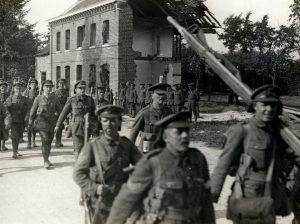
historically, urban centres have been both cradles of civilisation and theatres of conflict. from the sieges of ancient cities like carthage and rome to the urban warfare of the 20th century, the concentration of populations, resources, and critical infrastructure within confined geographic spaces has always made them strategic targets and complex operational environments. sun tzu’s art of war, while predating modern megacities, implicitly understood the advantages and disadvantages of concentrated power, advocating for strategic positioning and the rational allocation of forces. Clausewitz, in on war, further refined the understanding of urban environments as centres of gravity, where the defeat of enemy forces and the capitulation of the state could often be achieved.
the contemporary context, however, introduces new variables. the sheer scale of megacities, often sprawling across vast territories, creates unique challenges for state control and security provision. the phenomenon of informal settlements, a hallmark of rapid urbanisation in many developing nations, further complicates this. these areas, often characterised by a lack of formal governance, inadequate infrastructure, and high population density, can become fertile ground for illicit activities, organised crime, and even extremist recruitment, creating security vacuums that states struggle to fill. this is not merely a descriptive observation; the causal link lies in the absence of state presence and the associated breakdown of social order, which then allows for the proliferation of alternative, often predatory, power structures. the principles of insurgency and counter-insurgency, as expounded in historical doctrines and contemporary field manuals, highlight the critical importance of controlling the population and denying safe havens to adversaries. the megacity, in its most challenging manifestations, presents precisely such a complex environment.
key actors and interests
the actors involved in the nexus of urbanisation and security are diverse and their interests often divergent. at the state level, national governments retain ultimate responsibility for security and territorial integrity. their primary interest is to maintain internal stability, prevent the erosion of sovereignty, and protect their populations from all forms of threat, whether internal or external. this includes countering terrorism, organised crime, and managing large-scale civil unrest.

within states, sub-national and municipal authorities are increasingly bearing the brunt of urban security challenges. the experience in france, for instance, highlights this evolving dynamic, with discussions concerning the reinforcement of municipal police and increased presence in sensitive neighbourhoods being framed within the context of the 2026 budget proposals for security in major cities. these local entities are directly confronted with the security implications of poverty, density, and the specific demands placed upon them by their urban populations. their interest lies in securing adequate resources and the mandate to effectively address these challenges, often advocating for a rebalancing of national budgets to account for their unique burdens, including security.
non-state actors also play a significant role. transnational criminal organisations profit from the anonymity and infrastructure of large urban centres to facilitate drug trafficking, human smuggling, and other illicit enterprises. extremist groups, both domestic and international, may seek to exploit the social grievances and demographic concentrations within megacities for recruitment, propaganda, and operational planning. the causal mechanism here is clear: these actors leverage the scale and porous nature of urban environments to achieve greater reach and operational freedom, often operating in the shadows of legitimate economic and social activity.
international organisations and development agencies also have a vested interest, albeit often indirectly. the agence française de développement (afd), for example, finances projects related to sustainable mobility, road safety, and resilience in rapidly urbanising regions of africa and asia. while their primary objective may be development and climate resilience, these initiatives invariably have security co-benefits. improved infrastructure, greater economic opportunity, and enhanced state capacity in peripheral urban areas can contribute to reducing the conditions that breed instability and illicit activity. the causality is again one of empowerment and opportunity: by fostering development, these agencies aim to create a more secure and stable environment.
international organisations such as the united nations also grapple with the security implications of urbanisation, particularly concerning peacekeeping operations and humanitarian assistance in conflict-affected urban environments. the principles of peacekeeping, as outlined in various un mandates, often struggle with the complexities of densely populated, contested urban spaces where differentiating combatants from civilians is exceedingly difficult.
scenarios and risks
the interplay between urbanisation and security can manifest in several distinct scenarios, each carrying specific risks.
the most concerning scenario involves the unchecked, rapid urbanisation in regions with weak or nascent state institutions. this is particularly relevant to projections of growth in countries like nigeria. in such contexts, the state’s capacity to provide basic services, enforce the rule of law, and maintain a monopoly on legitimate violence is already strained. the influx of millions into urban peripheries, often into informal settlements, exacerbates these existing fragilities.
l’érosion de l’autorité de l’état
in these over-urbanised and under-governed spaces, formal state authority can be supplanted by informal power structures. this can range from community-based dispute resolution mechanisms that operate outside legal frameworks to the dominance of criminal gangs or even armed militias. the causal mechanism is a vicious cycle: the absence of state presence allows illicit actors to flourish, which in turn further undermines the state’s legitimacy and capacity, creating a self-perpetuating spiral of instability. historical examples abound, from the rise of organised crime in post-war sicily to the proliferation of warlordism in certain african urban centres during periods of state collapse.
la prolifération des activités illicites
megacities, with their complex logistics, anonymity, and vast consumer bases, offer ideal environments for organised crime. this includes drug trafficking, human trafficking, counterfeiting, and money laundering. these activities not only generate vast illicit revenues that can destabilise economies and corrupt institutions but also fuel wider insecurity through violence, extortion, and bribery. the causal link is driven by economic incentives: the urban environment provides the necessary conditions for profitable criminal enterprises, and the proceeds are then used to further corrupt and intimidate state and societal actors.
le terreau de l’extrémisme
while not all urban populations are susceptible to extremism, certain conditions within rapidly growing, unequal cities can create fertile ground for recruitment. these include high levels of unemployment, social exclusion, perceived injustice, and the breakdown of traditional social support networks. extremist groups can exploit these grievances, offering a sense of belonging, purpose, and even material support. the targeting of youth in urban peripheries with limited opportunities is a documented modus operandi. the historical experience of groups like al-qaeda and isis in exploiting urban disenfranchisement underscores this risk.
la vulnérabilité des infrastructures critiques
all megacities, regardless of their stage of development, rely on complex and often concentrated critical infrastructure such as power grids, water supply systems, transportation networks, and communication hubs.
les cyberattaques et les attaques physiques
these infrastructures are increasingly vulnerable to both cyberattacks and physical sabotage. a successful attack on a major metropole’s power grid, for example, could have cascading consequences, leading to widespread social disorder, economic paralysis, and a breakdown in public safety, rendering emergency services ineffective. the causal link here is one of interdependence: the complex systems that power modern urban life are also its most significant points of vulnerability. the events of 9/11, while not solely an urban security issue, demonstrated the profound impact that targeted attacks on critical infrastructure can have. more recently, cyberattacks on municipal services in various american and european cities have highlighted the growing threat in the digital domain.
les risques naturels et climatiques accrus
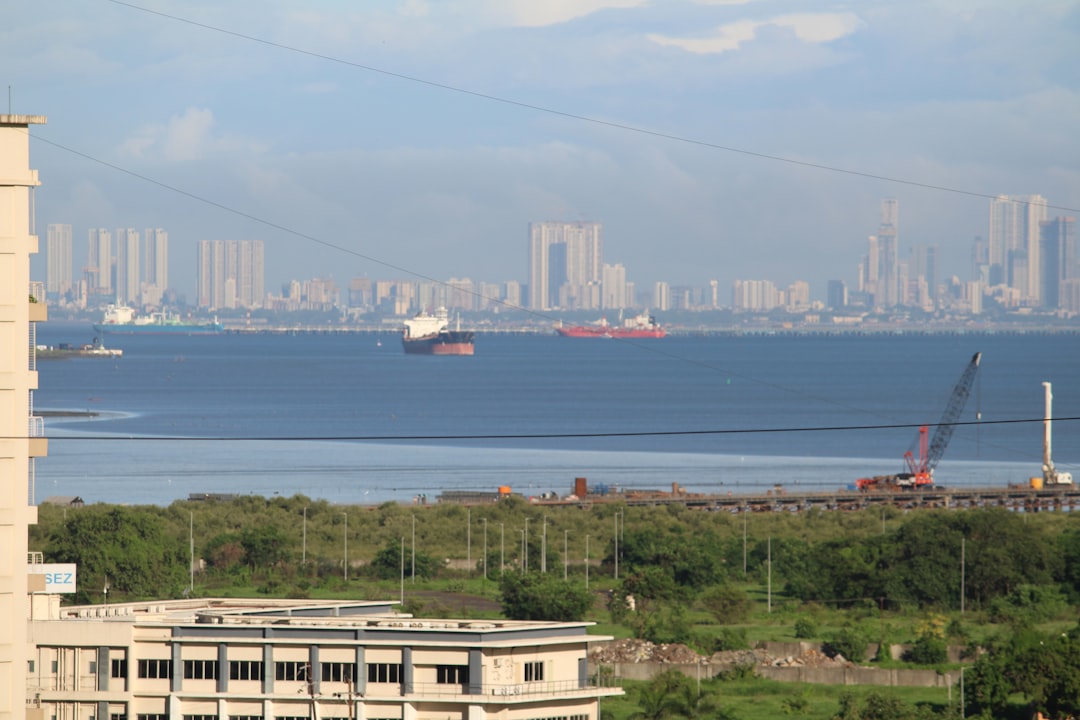
rapid and often uncontrolled urban expansion, particularly in vulnerable geographical locations, exacerbates the risks associated with natural disasters. coastal cities face rising sea levels and increased storm surge intensity, while cities in arid regions confront water scarcity. the increased impervious surface area in urban environments leads to more severe flash flooding. the afd’s focus on resilience, explicitly mentioning flooding risks in togo, pakistan, and senegal, acknowledges this reality. the causal mechanism is environmental: human modification of natural landscapes and the concentration of populations in hazard-prone areas amplify the impact of climate-related events.
la gestion des flux migratoires et des populations déplacées
megacities often serve as principal destinations for both internal and international migrants, as well as for populations displaced by conflict or environmental disasters.
la pression sur les services publics
a sudden or sustained influx of people can overwhelm existing public services, including housing, healthcare, education, and sanitation. this can lead to the emergence of informal settlements, increased competition for scarce resources, and potential social friction between established residents and newcomers. the causal link is one of resource strain: the rate of population growth outstrips the state’s and municipality’s capacity to provide essential services, leading to a decline in living standards and increased potential for unrest.
la ségrégation et les tensions sociales
inadequate integration policies can lead to the spatial segregation of migrant communities, often in peripheral or disadvantaged urban areas. this segregation can foster social exclusion, limit access to opportunities, and create parallel societies, increasing the risk of social unrest and making these communities more vulnerable to exploitation by criminal or extremist elements. the historical experience of many european cities grappling with the integration of immigrant populations offers numerous case studies of these dynamics.
policy options
addressing the complex security challenges posed by urbanisation requires a multi-faceted and integrated policy approach, moving beyond reactive measures to proactive strategies grounded in strategic foresight.
renforcer la gouvernance urbaine et la résilience
the foundational element for managing urban security lies in strengthening governance structures and enhancing the resilience of urban systems.
la planification urbaine intégrée
a critical policy imperative is the development and implementation of integrated urban planning that accounts for security considerations from the outset. this includes zoning regulations that prevent uncontrolled sprawl into hazard-prone areas, investments in adequate infrastructure, and the provision of essential services that can accommodate population growth. the lessons from the « new urbanism » movement, albeit focused more on livability, can inform strategies for creating more secure and functional urban spaces. the french context of metropolitan cooperation, as evidenced by the map of epci métropolitains as of january 2026, suggests a move towards more integrated territorial governance, which could be a positive step if security is explicitly embedded in these frameworks.
l’investissement dans les infrastructures résilientes
proactive investment in resilient infrastructure is essential. this includes developing smart grids that can withstand cyberattacks and physical disruption, constructing flood defenses, ensuring robust water supply and sanitation systems, and building secure and efficient transportation networks. the afd’s financing of mobility and resilience projects in togo, pakistan, and senegal represents a pragmatic approach to this imperative. the causal link is one of risk mitigation: by building in redundancy and robustness, critical systems become less vulnerable to failure and attack.
améliorer la sécurité publique et la confiance
effective security provision in megacities requires a nuanced approach that combines law enforcement with community engagement and social inclusion.
le renforcement des capacités des forces de sécurité locales
as highlighted by the french budget proposals for 2026, there is a growing recognition of the need to bolster the capacities of municipal police forces and increase their presence in sensitive neighbourhoods, with a focus on extended operating hours. this approach, if implemented thoughtfully, can improve response times and create a greater sense of security. however, it is crucial that such reinforcement is coupled with rigorous oversight and community outreach to avoid alienating populations. the key lies in moving beyond a purely coercive model of security towards one that prioritises de-escalation and community liaison, a principle often discussed in modern policing doctrines.
la lutte contre la criminalité organisée et le financement du terrorisme
this requires a multi-pronged strategy that includes intelligence gathering, law enforcement operations, and addressing the underlying economic incentives that fuel these activities. international cooperation is paramount, given the transnational nature of organised crime and terrorism. this involves sharing intelligence, coordinating law enforcement actions, and disrupting financial flows. the causal link is one of disruption: by targeting the networks and financial resources of these groups, their ability to operate and destabilise urban environments is curtailed.
la promotion de l’inclusion sociale et des opportunités économiques
addressing the root causes of vulnerability to crime and extremism is as crucial as direct security measures. this involves creating employment opportunities, improving access to education and healthcare, and fostering social inclusion for all segments of the urban population, particularly youth and marginalized communities. the debate around reducing car reliance in cities like lyon and bordeaux, with a focus on sustainable mobility, while seemingly environmental, can also have security implications if it leads to improved access to amenities and public spaces for all residents, thereby reducing spatial inequalities. the causal mechanism is one of social cohesion and opportunity: by providing viable alternatives to illicit activities and fostering a sense of belonging, the appeal of criminal and extremist ideologies is diminished.
conclusion
the urbanisation of the globe, and particularly the proliferation of megacities, represents a profound strategic reality that will shape the security landscape for decades to come. it is not merely a demographic trend but a complex socio-economic and geopolitical force that presents both unprecedented challenges and potential opportunities for statecraft. the traditional paradigms of security governance must adapt to the realities of hyper-concentrated populations, intricate infrastructure dependencies, and the fluid boundaries between legitimate and illicit activities that characterise these urban giants.
a rigorous analysis, grounded in historical precedent and contemporary evidence, reveals that effective security in megacities hinges on a proactive, integrated, and multi-dimensional approach. this includes strengthening urban governance and resilience through intelligent planning and infrastructure investment, enhancing public safety through judicious law enforcement and community engagement, and addressing the underlying drivers of instability through social and economic inclusion. the policy options outlined are not mutually exclusive but rather complementary elements of a comprehensive strategy.
the experience of french metropolitan areas, with their growing emphasis on intercommunal cooperation, and the development-focused initiatives of entities like the afd, offer partial insights into potential pathways forward. however, the challenge remains immense. failure to effectively manage the security implications of urbanisation risks exacerbating existing inequalities, fueling instability, and creating new vulnerabilities for states and the international community. ultimately, securing the future of our urbanised world requires a statesmanlike approach that prioritises not just the absence of conflict, but the presence of sustainable security, equitable development, and the enduring resilience of urban life.