








L’invasion ukrainienne : bilan et adaptations face à l’accélération des ingérences hybrides
introduction
the full-scale invasion of Ukraine launched by the russian federation in february 2022 marked a watershed moment in contemporary geopolitics. it not only resurrected the spectre of interstate warfare on a continental scale but also underscored the increasingly sophisticated and pervasive nature of hybrid warfare. this phenomenon, characterized by the deliberate blurring of lines between military, political, economic, and informational means, has become a defining feature of modern conflict. this article undertakes a strategic assessment of the invasion’s impact, examining the trajectory of the conflict, the evolving nature of hybrid interference, and the adaptations pursued by actors involved, particularly Ukraine and its allies. we will delve into the strategic context, analyse the key actors and their intertwined interests, explore potential future scenarios and inherent risks, and finally, propose policy options grounded in strategic foresight and historical precedent.
strategic context
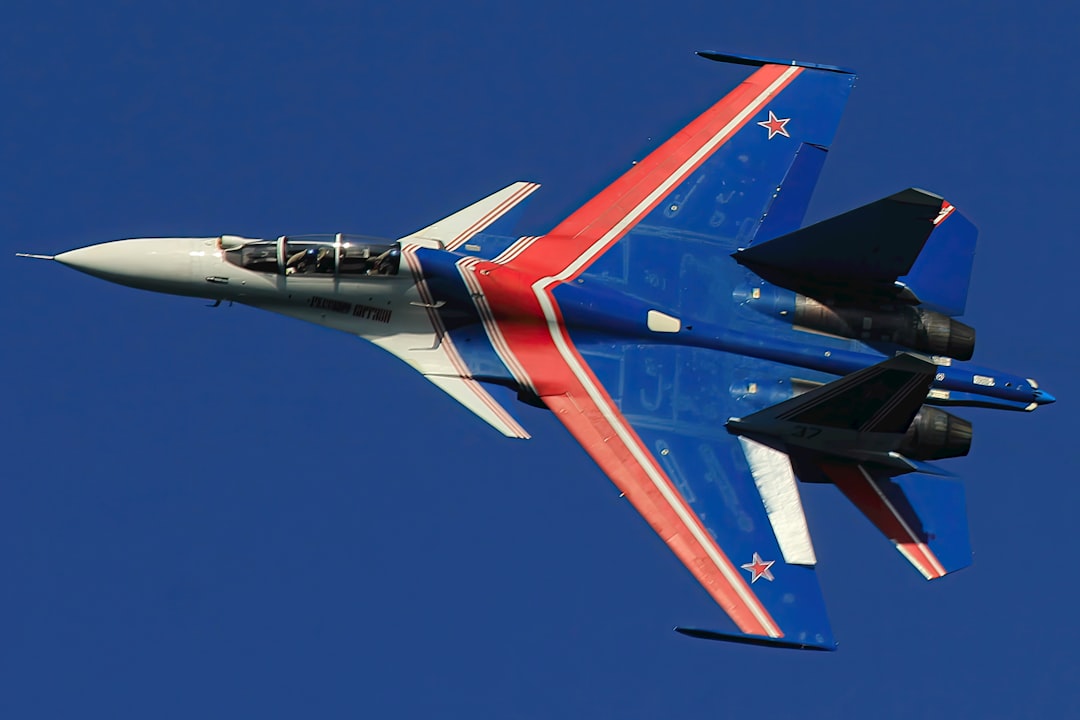
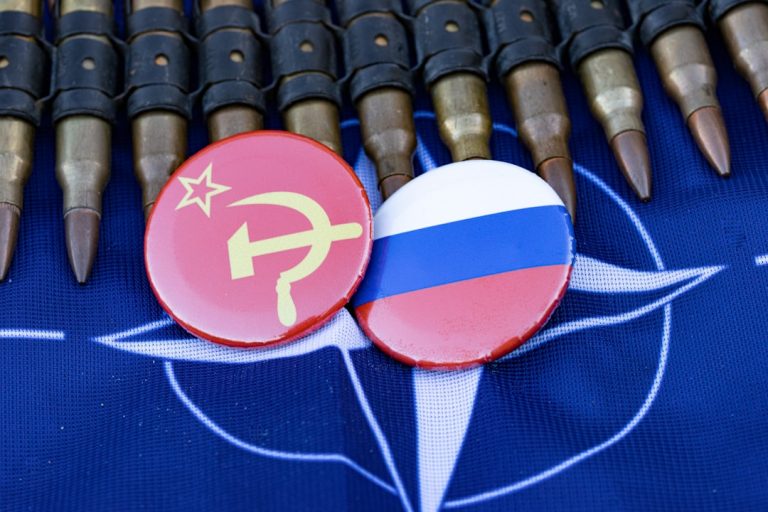
the current confrontation between russia and ukraine is not an isolated event but the culmination of a protracted geopolitical struggle rooted in russia’s strategic anxieties regarding nato expansion and its perceived historical sphere of influence. the 2014 annexation of crimea and the subsequent support for separatists in donbas were critical precursors, demonstrating a nascent willingness to employ unconventional and coercive measures to achieve strategic objectives. the 2022 invasion, however, represented a dramatic escalation, aiming for regime change and the subjugation of ukrainian sovereignty.
the underlying doctrine guiding moscow’s actions appears to be a blend of historical revisionism, a rejection of the post-cold war international order, and a pragmatic, albeit ruthless, pursuit of national interest as defined by the kremlin. vladimir putin’s public pronouncements, particularly his essay « on the historical unity of russians and ukrainians » in july 2021, provided ample warning of his intent to dismantle ukrainian statehood, framing it as an artificial construct. this narrative served as an ideological justification for military action and, crucially, for the subsequent propagation of disinformation campaigns aimed at undermining ukrainian legitimacy and garnering domestic and international support for the war effort.
the strategic context is further shaped by the broader geopolitical competition between russia and the west, which has intensified since 2014. nato, while not directly involved in combat operations, has significantly reinforced its eastern flank and provided substantial military and financial assistance to ukraine. this support, however, has been carefully calibrated to avoid direct confrontation with a nuclear-armed power, leading to a protracted conflict characterized by a war of attrition and a continuous assessment of escalation risks.
key actors and interests
the russian federation
moscow’s primary interests are multifaceted:
- regime change and territorial control: the initial objective was to replace kyiv’s pro-western government with a russian-friendly regime and assert control over key territories, including potentially the entirety of ukraine. while the scope of territorial control has been significantly contested, the annexation of four oblasts in september 2022 signalled a continued ambition for territorial expansion and consolidation.
- preventing nato expansion: russia views nato’s eastward enlargement as a direct existential threat. the invasion was, in part, an attempt to forcefully halt this process and reassert a russian sphere of influence in its near abroad.
- undermining western unity and influence: kremlin strategists likely calculated that a swift and decisive victory would expose the perceived weaknesses of western alliances and sow discord among nato members and the european union.
- economic and resource security: control over ukraine’s agricultural land, industrial capacity, and access to the black sea holds significant economic value for russia.
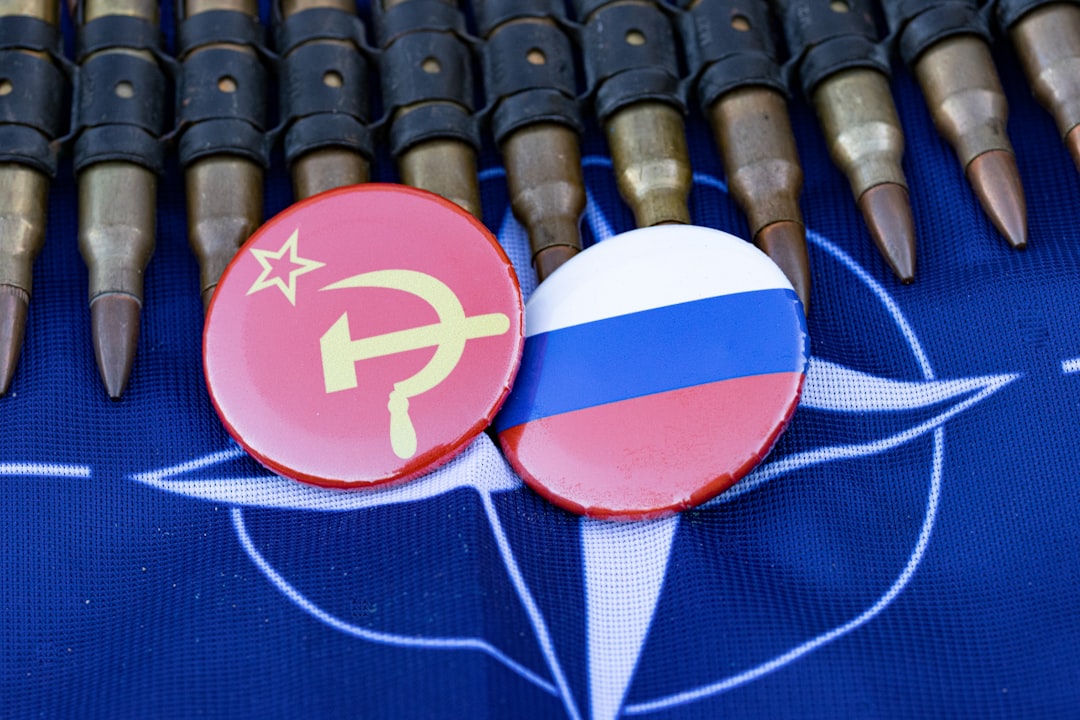
russia’s strategy has increasingly relied on hybrid means to achieve these interests. this includes:
- information warfare: extensive propaganda, disinformation campaigns, and cyber operations aimed at demoralizing the ukrainian population and military, influencing international public opinion, and creating narratives that justify its actions. the targeting of critical infrastructure and the spread of false narratives about the war’s origins and conduct are symptomatic of this approach.
- energy weaponization: leveraging its position as a major energy supplier to exert political leverage over european nations, as seen in the gas supply disruptions that preceded and followed the invasion.
- proxy warfare and paramilitary support: utilizing separatist forces and private military companies (pmcs) to wage conflict and provide plausible deniability.
- economic coercion: employing sanctions and counter-sanctions to disrupt adversaries’ economies and create dependencies.
ukraine
ukraine’s interests are existential:
- sovereignty and territorial integrity: reclaiming all occupied territories and ensuring the inviolability of its borders.
- self-determination and westward integration: pursuing its right to choose its own alliances and political-economic path, including potential membership in the european union and nato.
- national security and defense: building a robust defense capability to deter future aggression.
ukraine’s adaptation to hybrid warfare has been remarkable. this includes:
- resilient governance and public communication: maintaining effective governmental functions under duress and employing direct, transparent communication to rally national and international support against russian disinformation. president zelenskyy’s leadership and strategic use of social media have been pivotal.
- civil society mobilization: leveraging a highly engaged civil society for humanitarian aid, volunteer efforts, and information counter-intelligence.
- leveraging western military aid: adapting western-supplied weaponry and doctrines to its operational environment and integrating complex equipment into its forces.
- cyber defense and resilience: developing capabilities to withstand and respond to russian cyberattacks on critical infrastructure and state institutions.
key western actors (nato and eu)
their interests are:
- upholding international law and the rules-based order: demonstrating that unprovoked aggression will not be tolerated and that territorial acquisition by force is unacceptable.
- preventing escalation to a wider european conflict: carefully managing support to ukraine to avoid direct confrontation with russia.
- securing european stability and energy security: mitigating the economic and social fallout of the conflict and diversifying energy sources.
- strengthening nato’s collective defense: reinforcing the alliance’s eastern flank and demonstrating its commitment to mutual defense.
western adaptations include:
- coordinated sanctions: implementing a comprehensive package of economic sanctions against russia, targeting its financial sector, energy exports, and key individuals.
- military assistance: providing significant financial, material, and training support to ukraine, including advanced weaponry and intelligence sharing.
- energy diversification: accelerating efforts to reduce reliance on russian fossil fuels.
- strengthening nato’s deterrent posture: increasing troop deployments and military exercises along the eastern flank.
scenarios and risks
the conflict’s trajectory remains highly uncertain, with several plausible scenarios, each carrying distinct risks.
scenario 1: protracted war of attrition with frozen frontlines
in this scenario, neither side achieves a decisive breakthrough. frontlines stabilize, resembling a long-term frozen conflict.
- risks:
- escalation: a perception of stalemate could incentivize riskier actions, including the use of unconventional weapons or the expansion of the conflict into neighbouring regions. the drone attacks on russian territory, including the significant strike on a naval facility on march 25-26, exemplify this dynamic of escalation.
- indifference and fatigue: prolonged conflict can lead to waning international attention and support, potentially weakening ukraine’s long-term capacity to resist.
- economic strain: sustained high defense spending and sanctions regimes will continue to strain western economies while crippling the russian economy.
- hybrid warfare intensification: russia may further intensify its hybrid warfare efforts through cyberattacks, disinformation, and political subversion in western capitals to erode support for ukraine.
scenario 2: strategic ukrainian breakthrough and russian collapse
this scenario envisions ukraine achieving significant territorial gains, potentially regaining territory up to the 1991 borders, leading to severe internal pressure within russia.
- risks:
- russian escalation: facing defeat, a desperate russia could resort to extreme measures, including tactical nuclear weapons. the doctrine of « escalate to de-escalate » remains a grave concern.
- political instability in russia: a collapse of the current regime could lead to internal chaos, fragmentation, and the potential proliferation of weapons and technologies.
- consolidation challenges: even a successful breakthrough would leave ukraine with immense reconstruction challenges and the ongoing threat of russian irredentism.
scenario 3: negotiated settlement
a negotiated settlement is reached, potentially involving territorial compromises and security guarantees.
- risks:
- unsustainable peace: a settlement imposed under duress or without addressing underlying grievances could be fragile and lead to future conflict.
- delegitimization of international law: compromising on territorial integrity could set a dangerous precedent for future aggressions.
- divisions within alliances: reaching a consensus on settlement terms among nato and eu members could be challenging, potentially exposing internal fissures.
the acceleration of hybrid interference adds another layer of complexity. russia’s demonstrated capacity to adapt its hybrid tactics, as evidenced by the sophisticated drone attacks on russian territory that have also led to drones landing on allied baltic states’ soil (march 2026), indicates a continuous evolution of its strategy. these cross-border incidents risk unintended escalation and implicate nato members in ways that directly challenge their security.
policy options
navigating this complex landscape requires a robust and multi-pronged policy approach.
enhancing ukrainian resilience and capacity
- sustained and integrated military aid: beyond immediate battlefield needs, focus on long-term capacity building, including training for sophisticated western platforms, air defense, electronic warfare, and strategic logistics. the french plan to increase ammunition orders highlights a long-term commitment, but broader systemic integration is crucial.
- robust cyber defense and intelligence sharing: strengthening ukraine’s cyber defenses against russian state-sponsored attacks and enhancing intelligence sharing to pre-empt hybrid threats. the recent drone incidents affecting multiple baltic states underscore the need for coordinated regional cyber defense.
- support for reconstruction and economic stabilization: a comprehensive and sustained commitment to ukraine’s reconstruction is not merely humanitarian but a strategic imperative to ensure its long-term viability and deter future aggression. this must include anti-corruption measures and good governance.
strengthening allied cohesion and deterrence
- unified response to hybrid threats: developing more agile and coordinated responses to russian hybrid tactics, including disinformation, cyberattacks, and economic coercion. this necessitates enhanced intelligence sharing and joint strategic communication efforts.
- strengthening nato’s eastern flank: maintaining and enhancing military presence and readiness on nato’s eastern flank provides a credible deterrent against russian adventurism, particularly in light of potential escalation from the current conflict.
- strategic communication and countering disinformation: actively countering russian narratives and promoting factual information to global audiences is crucial to undermining kremlin propaganda and maintaining international support for ukraine.
pursuing strategic de-escalation and long-term stability
- clear signaling and red lines: maintaining clear and consistent communication on nato’s red lines and interests, while avoiding gratuitous provocations, is essential for managing escalation risks.
- exploring diplomatic pathways with caveats: while current conditions for meaningful negotiation are poor, maintaining open channels for communication and exploring potential future diplomatic off-ramps, contingent on russia’s willingness to respect ukraine’s sovereignty and international law, remains a strategic necessity. any settlement must be based on a durable peace, not a temporary ceasefire.
- addressing the root causes of russian revanchism: a long-term strategy must consider how to manage russia’s inherent security anxieties and integration into the global order in a way that promotes stability, without sacrificing the principles of national sovereignty and self-determination. this is a generational challenge that extends beyond the current conflict.
conclusion
the russian invasion of ukraine has irrevocably altered the european security architecture and amplified the challenges posed by hybrid warfare. ukraine’s remarkable resilience and the western allies’ united, albeit calibrated, response have thwarted russia’s initial strategic objectives. however, the conflict’s continuation, marked by increasingly sophisticated hybrid interference and the potential for unintended escalation, demands a continuous strategic reassessment. the recent drone incident demonstrating the spillover effect into baltic states highlights the immediate need for enhanced allied coordination in countering hybrid threats. policy must therefore remain adaptive, focused on bolstering ukraine’s capacity for long-term defense and reconstruction, strengthening allied deterrence and cohesion against hybrid aggression, and cautiously exploring diplomatic pathways that uphold international law and ensure a sustainable peace. the current conflict serves as a stark reminder that in an era of pervasive hybrid challenges, strategic adaptation and unwavering commitment to core principles are paramount for safeguarding international order and national security.